

 Fishician®
Biosecurity
Quarantine: reducing disease-transmission risk
A separate quarantine tank reduces the risk of introducing disease and lets you observe new fish closely. It cannot guarantee freedom from infection.
The short answer
- Healthy-looking isn't healthy. Many parasites are microscopic or spend part of their life off the fish.
- Stress wakes up infections. Transport can turn a hidden problem into a visible one days later.
- Quarantine is also for watching. In a bare tank you can see it eat and breathe normally.
- Don't medicate by default. Avoid blanket medication. A veterinarian may recommend targeted preventive treatment based on the species and risks.
- Length is a judgment, based on species, temperature and disease risks. Some infections remain hidden; new arrivals restart the observation period.
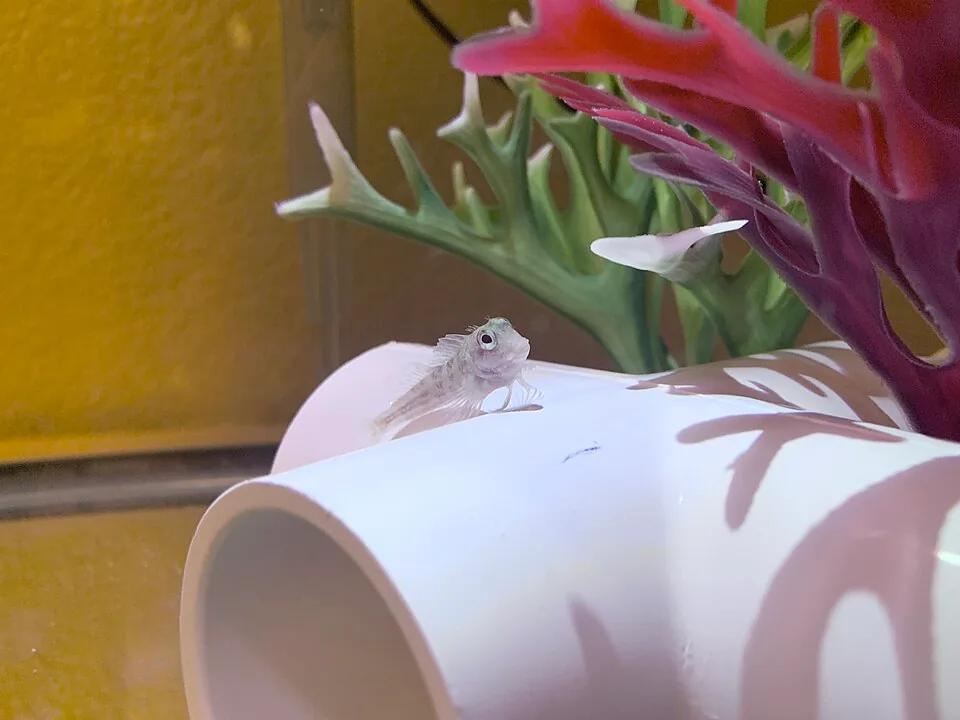

Quarantine from shop to display
- Check the sourceWhole system, not just one fish
- Set up QTSeeded sponge, own equipment
- AcclimateNo shop water in
- Observe dailyEating, breathing, skin, fins
- Move to displayComplete the planned quarantine; assess health
Before you buy
- Dead or distressed fish in connected tanks, poor water or scratching fish are warnings about the whole system.
- Check breathing, balance, body condition, skin, fins, eyes and appetite. Ask to see it eat.
- Confirm the species and its adult needs first. See stocking.
Set up the quarantine tank
- Separate everything: nets, siphons, buckets and towels just for QT.
- A mature sponge filter from a healthy tank can provide biological filtration, but its capacity must be checked with ammonia and nitrite tests.
- Simple: easy-to-clean housing with shelter, stable temperature, gentle flow and a lid. Provide suitable substrate for species that need it.
- Test more often than your display. Small, lightly filtered tanks spike quickly.
What to watch each day
- Breathing rate, gill colour, swimming and balance.
- Appetite: does it actually swallow food?
- Colour, skin, fins, eyes, droppings, and any scratching or flashing.
- Record with dates so you can tell a trend from a one-off. See warning signs.
Why not treat just in case
- It exposes a healthy fish to risk, can harm the biofilter and can breed resistance.
- Copper and hydrogen peroxide have narrow margins and kill many invertebrates.
- Can't quarantine? Buy from a source you can evaluate, add one fish at a time, and test and watch more after each addition.
Moving into the display
- Complete the planned observation period and any directed treatment before transfer; normal appetite alone does not clear quarantine.
- Add it at a quiet time, consider rearranging territory, and have a separation plan ready.
- Keep watching closely: the first days in a stocked tank are their own stress event.
Sources
Each source is listed with the part of this guide it supports.
- Merck Veterinary Manual: Routine Health Care of FishQuarantine practice, acclimation, observation of new arrivals, and preventive husbandry.
- University of Florida IFAS: Fish Fingerlings — Purchasing, Transporting, and StockingEvaluating a source, transport stress, temperature and chemistry matching during acclimation, and staged introduction.
- University of Florida IFAS: Fish Health Management in Recirculating Systems, Part 2Biosecurity, equipment separation, and pathogen movement between connected aquatic systems.