

 Fishician®
Environmental control
Aquarium temperature: a suitable range and stable conditions
Water temperature sets a fish's metabolism, how much oxygen the water holds, and how toxic ammonia is.
The short answer
- Steady beats exact. Swings are a stressor, and stress weakens immunity. Stay inside the species range.
- Heat is an oxygen problem. Warmer water holds less oxygen while fish need more.
- Warm water makes ammonia worse. The toxic share rises with temperature, so always read them together.
- The heater dial isn't a thermometer. Check actual temperature with a separate one every day.
- Heaters fail both ways. Stuck on or dead. An appropriately designed backup can reduce some failure risks; it does not prevent every failure.

Why a heat wave is dangerous before it's lethal
- CauseWater warmsRoom, sun, lights or a stuck heater
- SoSupply fallsLess oxygen heldWarm water holds less
- WhileDemand risesFish need moreMetabolism speeds up
- AlsoChemistryAmmonia more toxicSame reading, more risk
- RespondFirst stepAdd surface movementThen fix the heat source
Choosing and placing a heater
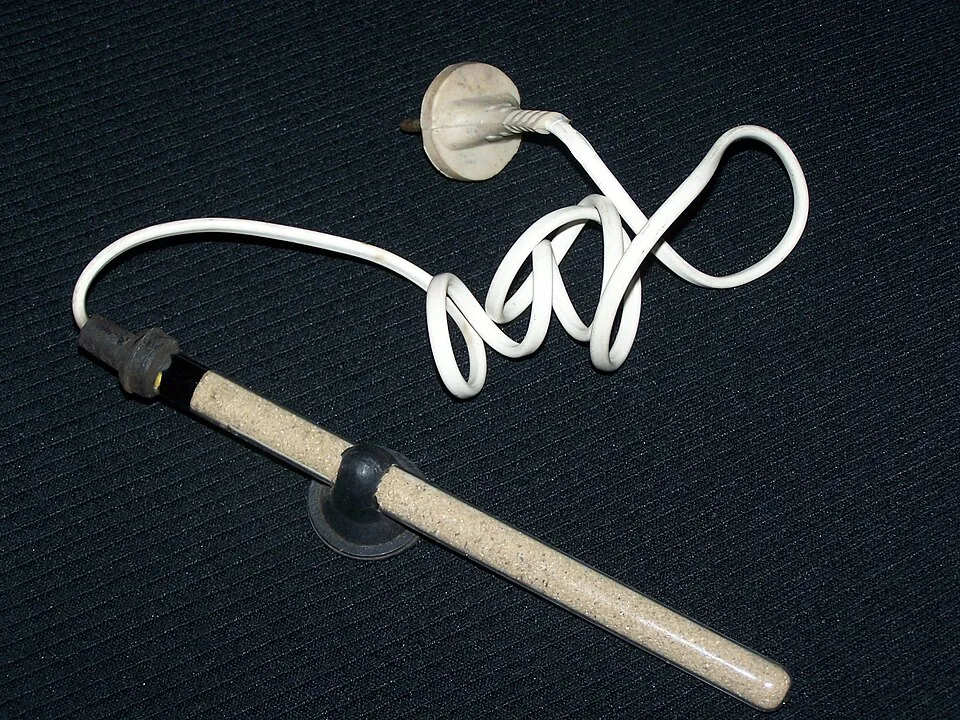
- Size to the job: a cool room needs more capacity than a warm one for the same tank.
- Split the load: appropriately sized, independently controlled heaters can reduce some failure risks. A heater can still overheat or underheat the tank; follow the manufacturer’s sizing and control guidance.
- Put it in flow, not a dead corner where it only heats itself.
- Follow the maker's instructions on depth and orientation. Many die running dry during a water change.
- Wire it safely: drip loops, dry connections above the water line.
Use the Equipment Guide to compare heating products and retailer offers. Check the exact wattage, temperature-rise chart, and model instructions before choosing.
Verify, every day
- Use a separate, maintained thermometer; a second one elsewhere reveals poor circulation.
- Measure replacement water too, not by hand. It's a common cause of avoidable swings.
- An independent controller or temperature alarm can help detect or limit a failure. Test it regularly and have a response plan; no device guarantees a safe temperature.
Heat waves and power cuts
- Overheating is harder to fix. Watch room heat, direct sun, and heat from lights and pumps.
- Respond with more surface movement, ventilation, shorter lighting and more circulation. Oxygen comes first. See aeration.
- In an outage, a big tank loses heat slowly but loses oxygen fast. See power outages.
- If two species need incompatible temperatures, change the stocking plan, not the thermostat.
Catch problems early
- Different readings at opposite ends can indicate uneven heating; first check the thermometers agree in the same water.
- A dated log makes slow temperature drift easier to recognize and investigate.
- After a power cut, avoid big corrective swings and check every device restarted properly.
- Check temperature as part of your daily look.
Sources
Each source is listed with the part of this guide it supports.
- University of Florida IFAS: Dissolved Oxygen for Fish ProductionTemperature and salinity control oxygen solubility while metabolic oxygen demand rises with temperature.
- Merck Veterinary Manual: Providing a Home for FishHeating and environmental control for the aquarium, equipment placement, and electrical safety.
- Merck Veterinary Manual: Management of Aquarium FishTemperature as a management variable, stress from unstable conditions, and equipment monitoring.