
Routine aquarium maintenance and observation
Build a schedule around what the aquarium and its residents show you, then keep enough history to recognize change before it becomes a crisis.
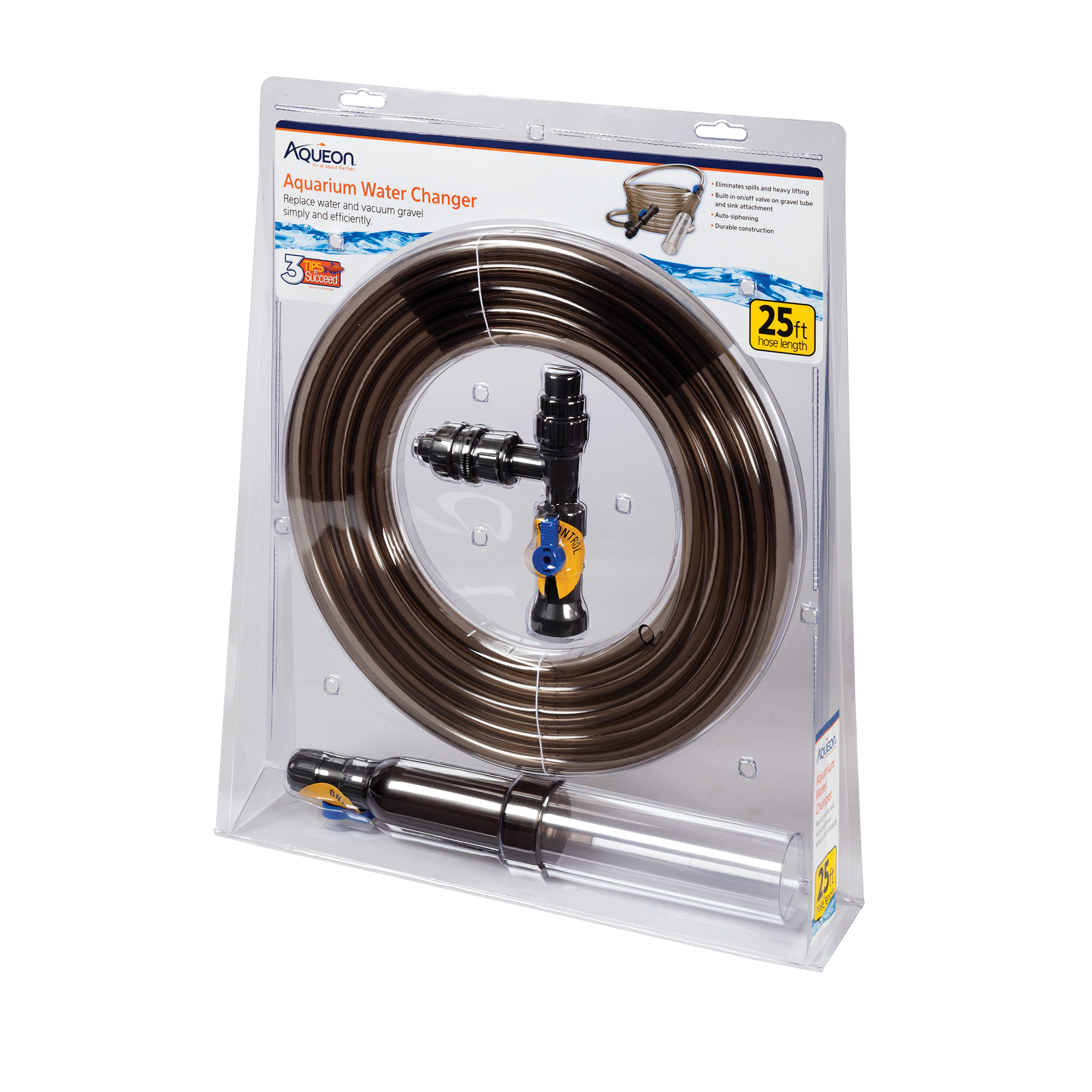
Observe before you touch the tank
Look at every animal before feeding or maintenance changes behavior. Note breathing, swimming position, balance, appetite, body condition, color, skin, eyes, fins, interactions, hiding, and whether each animal reaches food. Check temperature, flow, heater status, leaks, noise, and surface agitation.
A baseline matters. Behavior normal for a nocturnal catfish may be concerning in an active daytime species. Record new animals, equipment changes, power interruptions, missed maintenance, unusual food, chemical exposure, and household events so symptoms have context.
Separate daily, periodic, and event-driven work
Daily work can be brief: observe livestock, confirm equipment and temperature, feed appropriately, and remove persistent uneaten food. Periodic work may include testing, partial water changes, substrate cleaning, algae management, plant trimming, filter inspection, and marine-specific tasks. Event-driven checks follow additions, medication, equipment failure, abnormal tests, deaths, or unusual behavior.
The right frequency depends on stocking, feeding, plant growth, source water, filtration, and the animals. Use trends instead of an arbitrary universal schedule. Water changes remove dissolved and suspended waste; topping off only replaces evaporated water and can allow minerals and nitrate to accumulate.
Protect the biofilter during cleaning
Service mechanical media when flow declines or waste accumulates, but avoid replacing every biological surface together. Follow manufacturer instructions and use methods that do not unintentionally disinfect established media. Confirm flow after reassembly and watch for leaks.
Do not mix household cleaners, soaps, pesticides, fragrances, aerosols, or unverified chemicals with aquarium equipment. Keep dedicated buckets and tools labeled. Avoid transferring water or equipment between systems without a biosecurity plan, and keep electrical connections dry with appropriate drip loops.
Respond to abnormal signs in order
- Confirm the observation and check all animals, not only the most visible one.
- Test relevant water parameters and verify temperature, flow, oxygenation, and equipment.
- Review recent additions, maintenance, feeding, medication, source-water changes, and power loss.
- Document signs without delaying urgent action.
- Use isolation only when safe and appropriate for the animal and system.
- Seek qualified help for severe breathing difficulty, major injury, neurologic signs, rapid losses, persistent deterioration, or uncertain diagnosis.
Avoid treating everything or stacking products. Similar visible signs can have different causes, and medication can harm invertebrates, plants, biofilters, or sensitive species. Product labels, actual water volume, interactions, contraindications, and veterinary direction take priority over generic online guidance.
Equipment inspection belongs in the routine
Most equipment failures announce themselves before they finish. A pump that has changed pitch, an impeller that rattles, flow that has quietly dropped, a heater indicator behaving differently, a fitting weeping at a seal, a cord showing wear, salt creep accumulating where it did not used to — each is visible during ordinary maintenance if it is something you actually look at.
Build the check into the routine rather than treating it as separate: confirm flow and surface movement, confirm the heater is doing what the thermometer says, listen to the pumps, look at the cords and the drip loops, and look under and behind the aquarium for water where none should be. Verify the thermometer itself periodically against a second one, because a failed thermometer reports comfort while the system drifts.
Keep replacements for the components whose failure is least survivable — heating, circulation, and aeration — rather than discovering the lead time after a failure. Follow current manufacturer instructions for service intervals on the specific devices you own, and note the date when a device was installed or serviced, since a mental estimate of how old a pump is drifts optimistically.
Keep records that make a future problem solvable
Nearly every aquarium problem is diagnosed by answering one question: what changed recently? That question is answerable only if somebody wrote things down. A record does not need to be elaborate; it needs to be consistent and to capture both readings and events.
Readings worth keeping include the parameters you test, with the date, and the temperature. Events worth keeping include water changes and their size, new animals or plants and where they came from, feeding changes, any product added and its dose, filter service and which media was touched, equipment changes, layout changes, lighting-schedule changes, and interruptions such as power outages. Photographs of the animals under consistent lighting are worth more than written descriptions of colour.
Records also protect against a subtler failure: drift. Small, individually reasonable adjustments accumulate into a system that no longer resembles the one you designed, and without a history there is no way to notice. When something does go wrong, a dated series lets you separate a genuine change from normal variation and lets a qualified aquatic veterinarian work from evidence rather than recollection.
Sources and further reading
Each source is listed with the part of this guide it supports. Source scope matters: a taxonomy record, product label, or general husbandry page does not automatically support every care claim.
- Merck Veterinary Manual: Essential Maintenance
Daily observation and recurring equipment, water-test, cleaning, and maintenance checks. - Merck Veterinary Manual: Management of Aquarium Fish
Water-quality problems, biofilter protection, monitoring, and response to abnormal conditions. - Merck Veterinary Manual: Providing a Home for Fish
Filtration, waste, beneficial bacteria, environment, and responsible routine care.